





An independent figure before you list, buy, settle a matter or make a decision that rests on knowing what the property is genuinely worth.
Collateral valuations for portfolio and secondary market lending, including the complex properties a general panel declines.
Valuations for estate filings, tax positions and disputes, documented so they hold if examined or challenged.
Acquisition, disposition and portfolio valuations across asset classes, with the assumptions the number depends on stated plainly.
Collateral valuations for banks, credit unions, mortgage bankers and private lenders, reported on the forms your file requires.
Date of death, step-up basis and trust valuations, including retrospective values from years in the past.
Court-ready reports and expert testimony for eminent domain, divorce, partnership and property litigation.
Independent evidence supporting a reduction where the Assessor's value exceeds what the market supports.
Pre-foreclosure and REO valuations for servicers and investors, with as-is and as-repaired figures.
Feasibility studies, highest and best use analysis and land value for owners, developers and investors.

Tell us the property, the purpose and any deadline. We confirm the scope and quote a flat fee and a delivery date.
Site inspection with the property measured and photographed, and condition, quality and any value-affecting factor recorded.
Verified comparable sales, income and expense data where relevant, and the applicable approaches to value applied and reconciled.
A signed USPAP compliant report, plus a call to walk through the conclusion and answer questions from you or your advisors.

This includes single-family residences, condominiums, townhouses, and 2-4 units. The appraisal of residential properties typically focuses on the property's size, condition, location, and comparable sales in the area.
This includes office buildings, retail spaces, warehouses, and other commercial buildings. The appraisal of commercial properties involves analyzing the property's income potential, lease agreements, market trends, and comparable sales in the area.
This includes factories, manufacturing plants, and distribution centers. The appraisal of industrial properties focuses on the property's location, size, condition, and its potential for generating income.
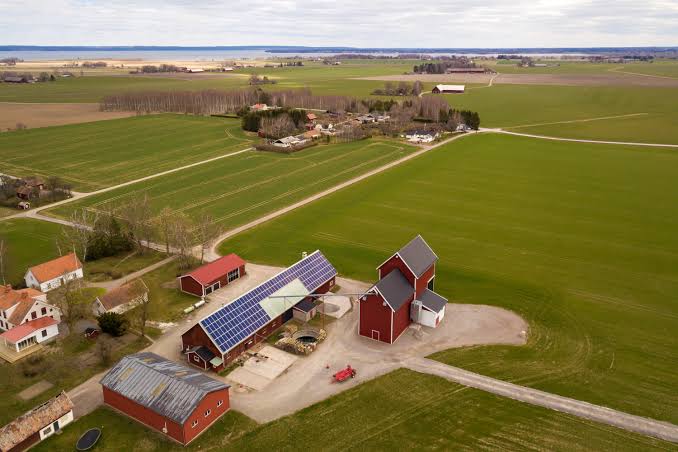
This includes farmland, ranches, and orchards. The appraisal of agricultural properties involves analyzing the property's productivity, soil quality, irrigation, and other factors that affect the property's value.
This includes properties that are designed for a specific purpose, such as schools, hospitals, and religious institutions. The appraisal of special-purpose properties takes into account the unique features and functionality of the property, as well as its location and comparable sales in the area.
This includes undeveloped land that has no buildings or structures. The appraisal of vacant land involves analyzing the property's location, size, topography, soil quality, and other factors that affect its potential for development.